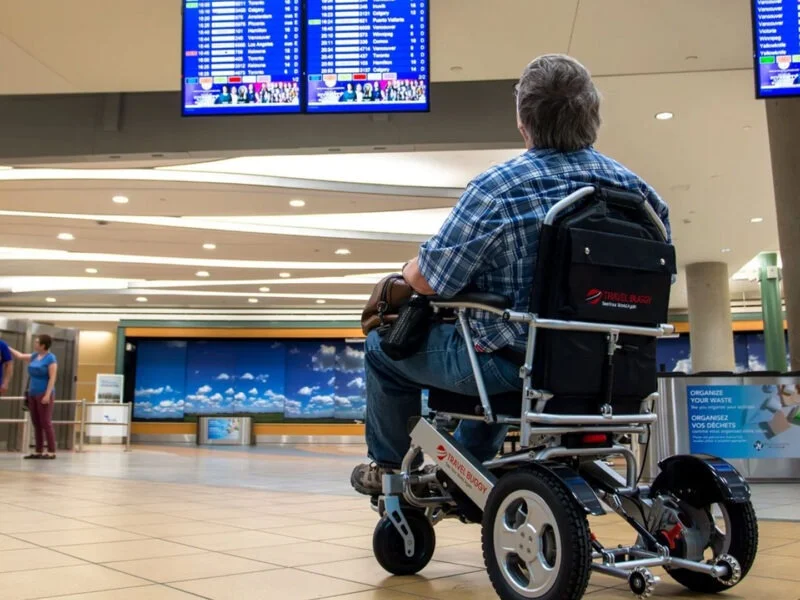
Accessible Travel: Why Inclusion Is the Future of Tourism
Accessibility in travel goes far beyond ramps and adapted hotel rooms. It means creating seamless, dignified, and inclusive experiences for every traveler. As life expectancy grows and mobility needs increase, our industry must rise to the challenge. Accessible travel is a human right — and an essential part of the future of tourism.
Written by Accessible Travel Americas
2 min read
We all agree on the need to increase accessibility in cities, airports, ports, buildings, national parks, cultural heritage sites, and public spaces. This is a large and complex effort that involves urban planning, governments, educational institutions, healthcare organizations, transportation providers, hotels, restaurants, and many others.
The travel industry plays a critical role in this process. Our services are interconnected, and every step of the journey matters. A single breakdown — whether in transportation, accommodations, or activities — can create a domino effect that impacts not only the traveler, but also the entire network delivering the experience. Accessibility must be considered across the full travel chain.
Life expectancy continues to grow thanks to advances in sanitation, nutrition, and modern medicine. By 2030, more travelers will be using wheelchairs or other mobility devices. Are we preparing for this reality? Accessibility is much more than a ramp or an accessible hotel room. It means creating seamless, dignified, and inclusive travel experiences.
Accessibility is also a human right. Travel provides education, connection, and meaningful experiences. By improving accessibility, we give visibility to an important segment of the population — and we build a more inclusive industry for everyone. The truth is, any of us may need accessibility at some point in our lives.
My personal motivation comes from a family experience. My brother was diagnosed with MS at age 27. One afternoon, I invited him to see a movie. I struggled to push his wheelchair because the theater had no ramp and no accessible path. The experience was frustrating and disappointing. That moment changed my perspective and opened my eyes to the barriers many people face every day.
That was when Accessible Travel Americas was born in my heart.
Accessible travel is not a niche — it is an essential part of the future of our industry.
Consuelo
Keep exploring
Keep reading
 Accessible Travel
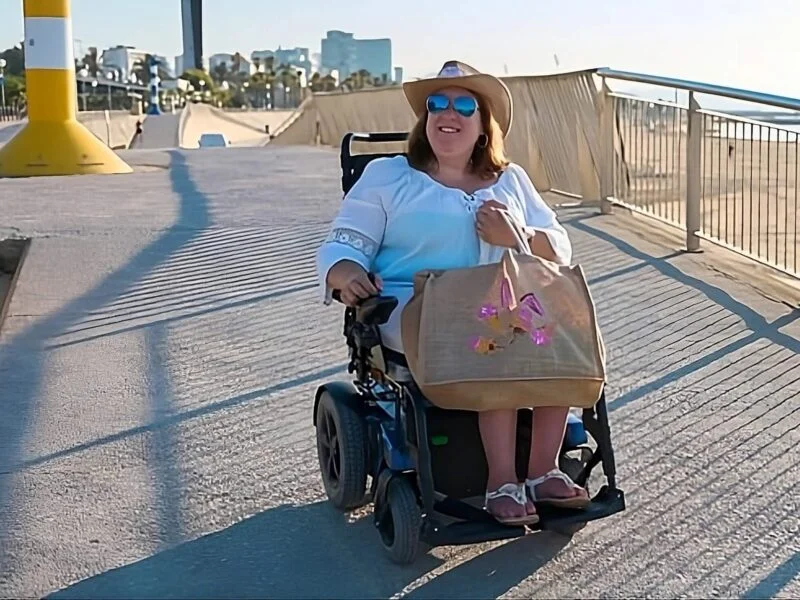
The Essential Pillars of Accessible Tourism: Building an Inclusive Travel Experience #2
Writing about accessible tourism requires us to look beyond individual features and focus on the entire accessibility chain. True inclusion means ensuring that every step of a traveler’s journey is seamless, preserving the fundamental human right to leisure and exploration.
 Accessible Travel
Why Accessibility Benefits Everyone (Not Just a Few) — And the Misconceptions Around It
Most people think accessible travel is only for wheelchair users or older travelers. The truth is far more interesting. Accessibility benefits pregnant women, parents with toddlers, injured athletes, and eventually all of us. Learn why good accessibility is simply good travel service.
 Travel Tips
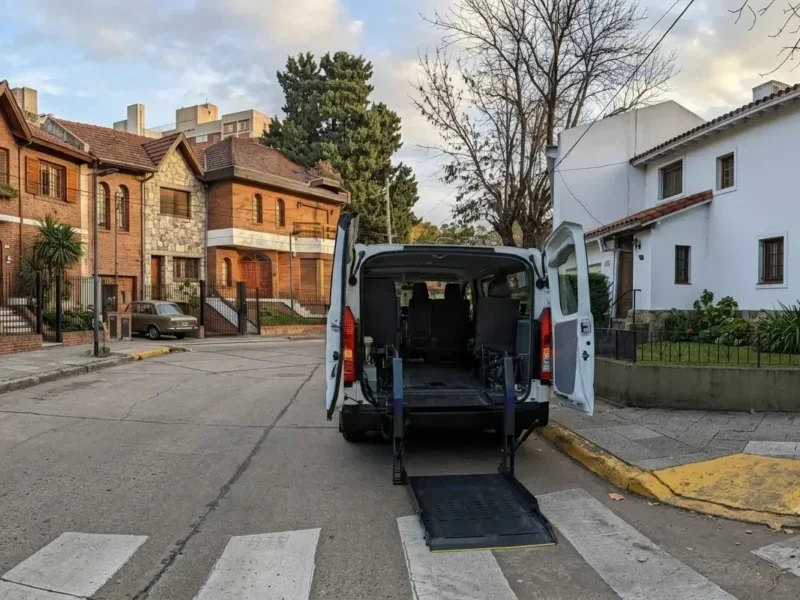
The Essential Checklist for Travelers with Reduced Mobility #3
Travelers with reduced mobility face real risks: unusable bathrooms, unsafe transfers, and unexpected barriers. This checklist covers the key areas to evaluate before your next trip—from bedroom clearance to vehicle tie-downs.
Inspired to travel?
Tell us your dates and accessibility needs — we'll design the journey around you.
Plan Your Trip